
DANGER: DIABOLIK
CRIMINAL ELEGANCE

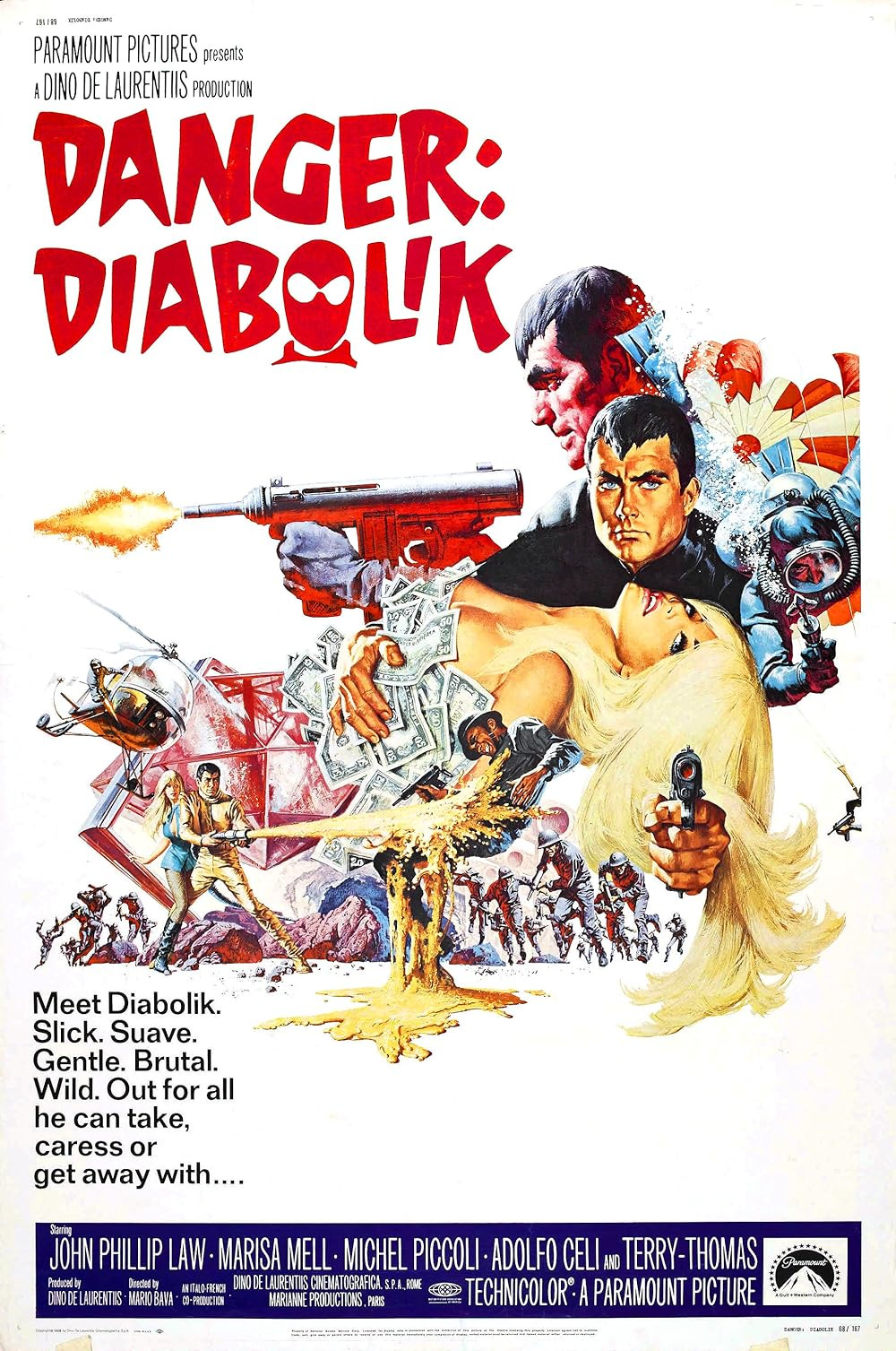
Danger: Diabolik is a film that looks and moves like a comic book, which is the achievement and the odd charm of Mario Bava’s 1968 adaptation of the Italian fumetto nero created by Angela and Luciana Giussani. The movie takes the audacious, morally ambiguous thief Diabolik and drops him into a polished and exaggerated world where every surface gleams. Bava was already a master of mood and visual trickery, and with Danger: Diabolik he turned the conventions of the caper film into something more graphic and more theatrical, while keeping the lean pulse of a heist narrative. The film launched a persistent cult around both the character and the aesthetic because the movie is less about gritty realism and more about style as a narrative force.
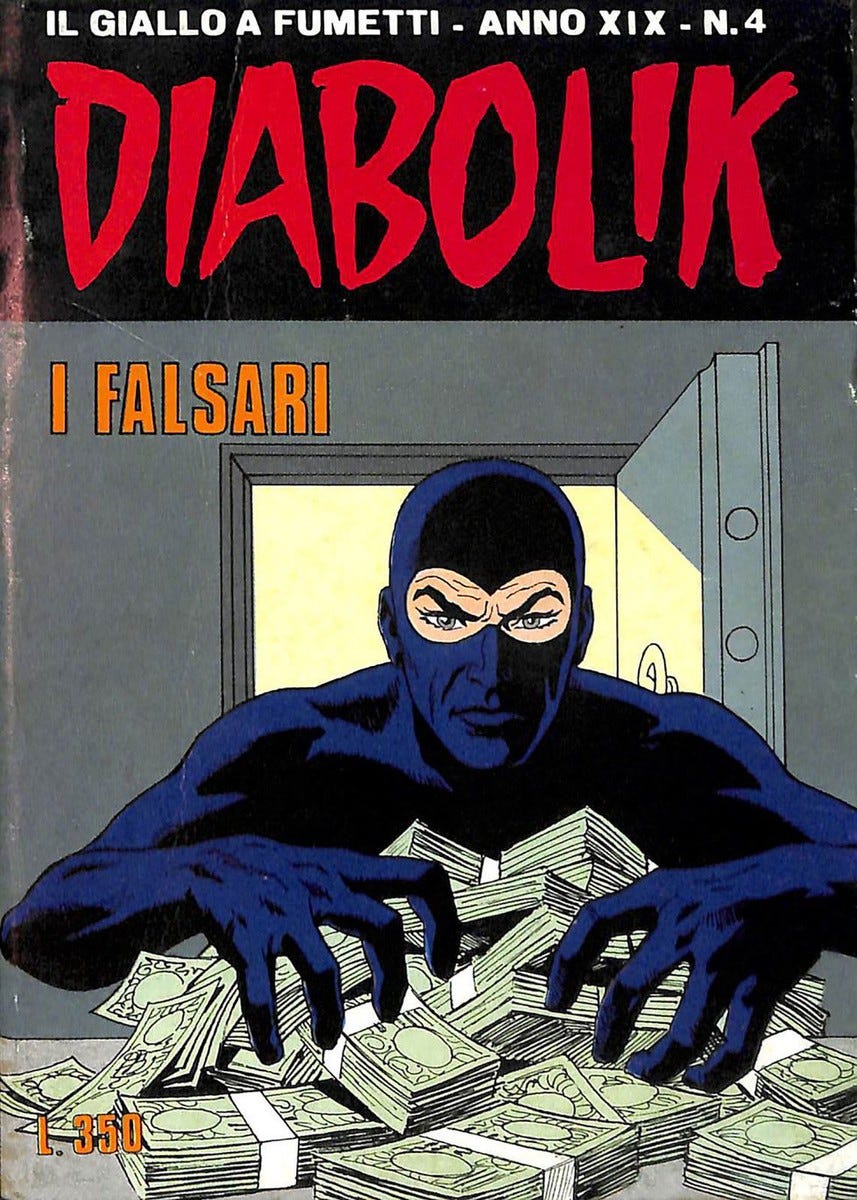
To understand how the film functions it helps to know the character’s origin. Diabolik began in the early 1960s as part of the Italian fumetti nevi movement, which placed glamorous criminals at the center of lurid, often erotic stories. The Giussani sisters created an antihero who was clever, ruthless, and almost mythic in his facility with disguise and escape. Readers responded to his lethal glamour, and Diabolik became a fixture of popular culture in Italy and beyond. Over time the comic evolved, stretching the bounds of taste and plotting, and the character acquired a gallery of motifs and set pieces easily translated into cinema. The film adaptation takes the high points of the comics, the cunning escapes and the sumptuous villainy, and renders them in Bava’s unmistakable visual idiom.
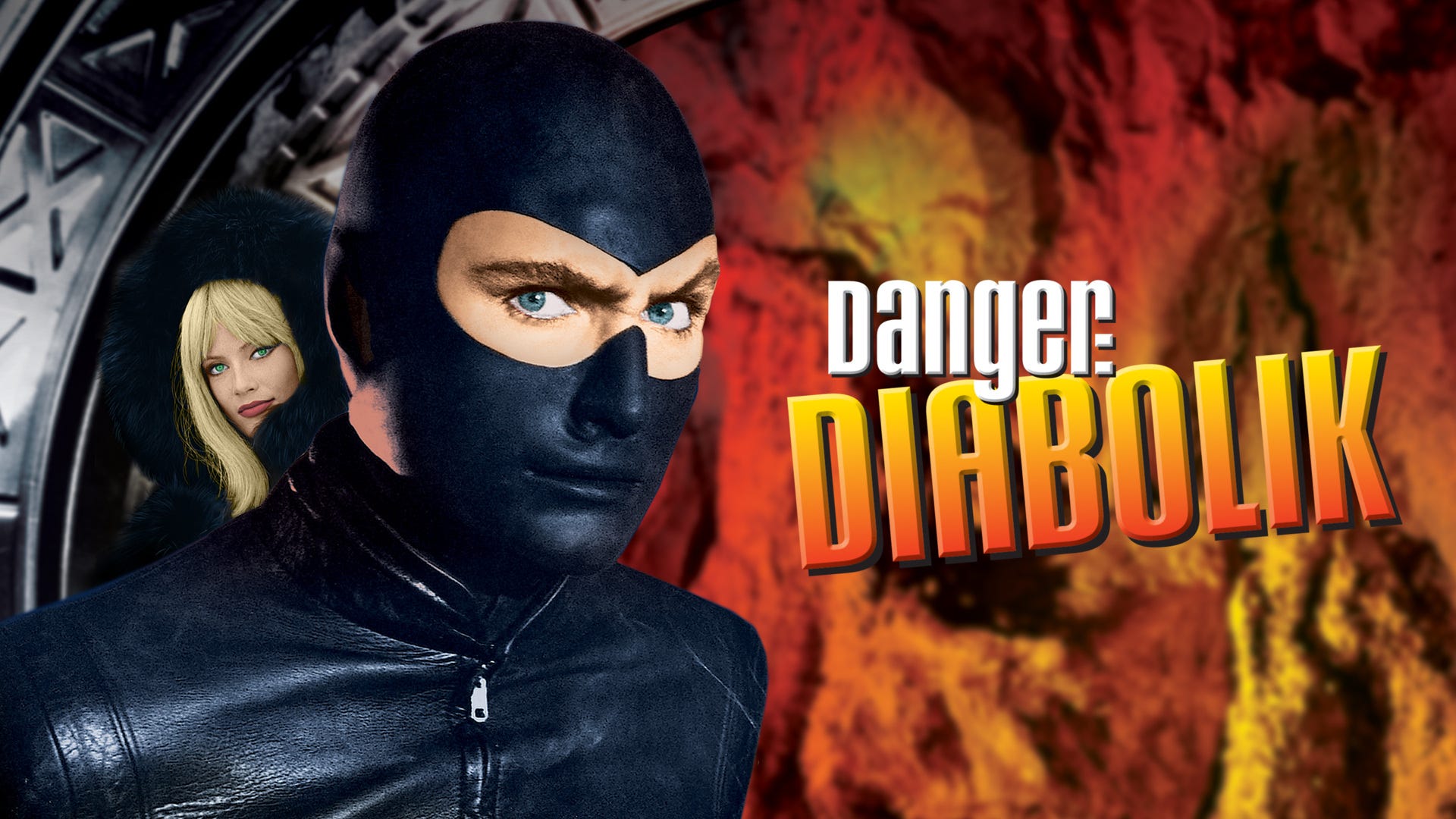
Mario Bava’s deployment of mise en scène is the most important reason the film still matters. Mise en scène is a film term referring to everything placed in front of the camera to tell the story, including sets, lighting, costume, composition, and the placement of actors. It is the physical and visual grammar by which a scene communicates mood and meaning. In Danger: Diabolik, Bava composes every frame like a panel in the original comic books. He uses bold colors and theatrical lighting to mimic inked outlines. He stages sequences on highly controlled sets to look both artificial and hyper real. His camera travels around a tableaux rather than dissolving into documentary realism, and he often uses wide, clean compositions so the action reads instantly and boldly, like a printed page come to life.
Bava builds the comic’s visual shorthand into the film’s very architecture. He slows time for moments requiring visual satisfaction, and he speeds it up for mechanical set pieces. He favors high contrast and saturated color to create flat planes of brightness, and he arranges props and costumes so silhouettes and shapes work as instantly recognizable signs. A rooftop chase, a hideaway lair, a jewel vault, all become graphic puzzles.
Bava also makes liberal use of rear projections, forced perspective, painted backdrops, and miniatures so the cinematic reality feels purposely manufactured. That artifice is not a flaw but a deliberate strategy. By refusing photographic naturalism, the movie preserves the sense the audience is inhabiting a fabricated, heightened world, which in turn allows a morally slippery protagonist like Diabolik to be admired rather than merely judged.
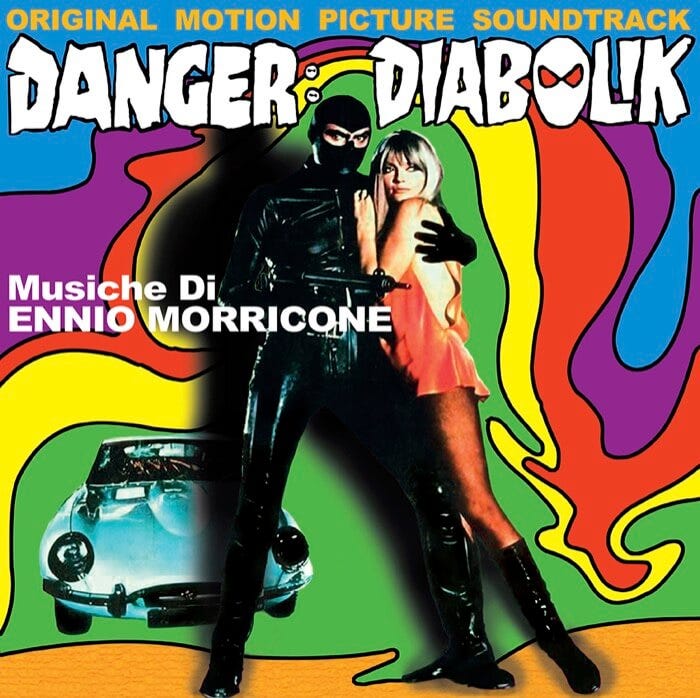
The score by Ennio Morricone is a perfect complement to Bava’s visuals. Morricone writes music at once playful and sinister. This becomes an accompaniment underlining the film’s mischievous tone while also sharpening its menace. The themes bounce between jaunty lounge motifs and tense orchestral flourishes. The music toys with jazz phrasing and pops of percussion so even heist set pieces have a kind of ironic swagger. Morricone’s melodies often act as a Greek chorus, commenting on the action and amplifying mood through repetition and subtle variation. The pairing of Bava’s tableaux and Morricone’s melodic cunning makes the film feel like an extended comic strip with its own soundtrack.
Danger: Diabolik is important within the pantheon of caper and heist films because it broadens what those genres look like and what kind of moral center they accept. The heist film has a long lineage of charming rogues and elaborate plans, and Bava’s picture pushes those traditional aesthetics into pop art territory.
Instead of leaning on verisimilitude or gritty urban texture, the film insists spectacle and design have their own moral gravity. Diabolik is not romanticized despite his crimes, and yet he is presented so stylishly the audience is made to admire the craft of the theft. This mixture of chic presentation and ethical ambiguity helps expand the caper genre’s emotional range, opening the door for later films to celebrate technique and personality as much as motive.
Another reason Danger: Diabolik endures is because it tapped into a cross disciplinary current. The movie sits at the intersection of popular comics, European genre filmmaking, and the 1960s fashion and design zeitgeist. The costumes and sets of movies influence fashion photographers and designers, and Diabolik’s elegant criminality became a visual reference outside of cinema. The film also helped codify a particular comic to film translation, a method of adaptation in which the origins of the material are not hidden but amplified. Later filmmakers who wanted to preserve the graphic qualities of a source could point to Bava’s work as a successful model.
Over the decades the character of Diabolik and his cinematic incarnations have shifted with the times. The comics continued to evolve, sometimes leaning into pulp excess, sometimes into sly social commentary. The 1968 film captured a particular moment when countercultural glamour and studio craft met, and so it reads as both an artifact and a stylized reimagining. Fans of the comic often praise the film for getting the tone right, even when particulars were simplified. Critics who expected either strict fidelity or conventional morality were sometimes put off, but the film’s devotees only increased as its distinctive look aged into cult reverence.
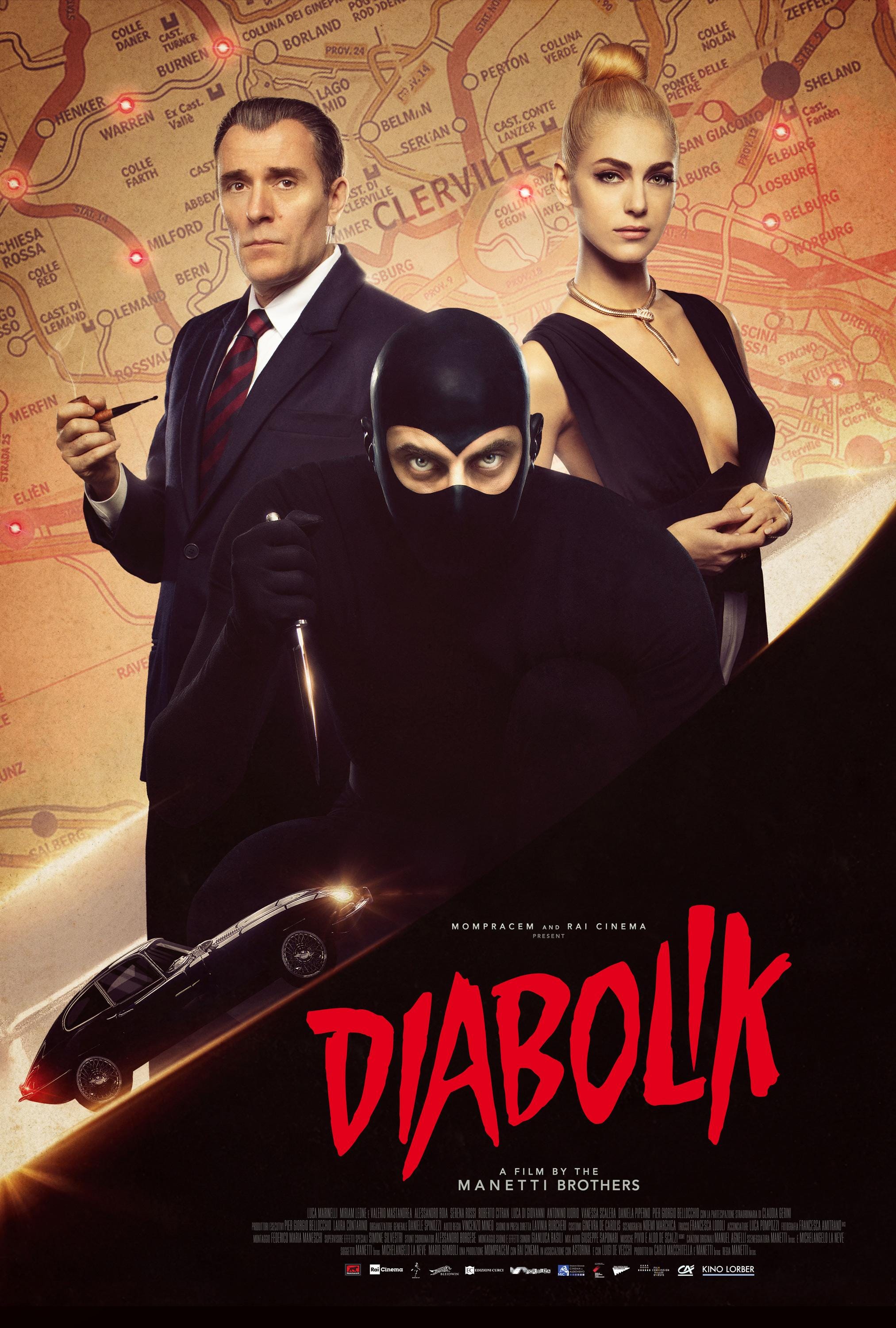
This cult reverence paved the way for later adaptations, including the 2021 film Diabolik directed by the Manetti brothers. This more recent film feels different in emphasis and technique, which is to be expected across half a century. The Manetti brothers approached the material with both affection and contemporary craft, aiming to be truer to the comic’s narrative texture while making a film to suit modern audiences. Their production design and cinematography nod to the comics in deliberate ways, and they often emphasize the darker, more psychological elements of the characters. Where Bava stylized, the Manettis sometimes granularize, but they also preserve the sense of spectacle that defines Diabolik.
The 2021 film demonstrates how a beloved property can be reinterpreted without losing its essence. It shows Diabolik’s core qualities, the intelligence of the thief, the erotic interplay with his partner, and the game with authority figures, remain compelling. Each version illuminates different facets of the same jewel, and the differences between the films make the character richer in the popular imagination. The continued interest in adapting Diabolik confirms the figure speaks to persistent appetites, for transgressive elegance, for clever craft, and for the reassurance cunning and design can sometimes outwit the mechanics of power.
Danger: Diabolik remains a landmark because it proves a comic book can be translated into cinema by reproducing its visual logic rather than erasing it. Bava used mise en scène to forge a world where color, shape, and composition deliver as much narrative weight as plot, and Morricone supplied a score turning jaunty crime into a musical game. The film sits in the caper tradition as an outlier as well as proof cinema can borrow the grammar of the comic page and make it sing.
Paul Bishop is the author of fifteen novels, including the award winning Lie Catchers. He is also the editor of 52 Weeks 52 Sherlock Holmes Novels—a multi-author compendium of essays regarding fifty-two of the best Sherlockian pastiches plus much more—Available on Amazon or from Genius Books...
52 Weeks * 52 Sherlock Holmes Novels
Paul, I enjoy reading your articles to no end. Look forward to your take on the heist films of Jean Pierre Melville. I think that he was a master of the genre.