FANTASY HEISTS
THE GENRE FUSION OF MAGIC, MISCHIEF, AND THEFT

The heist and caper story has always been about skill, daring, and charm. It thrives on elaborate schemes, unlikely partnerships, and the delicate dance between fortune and disaster. Fantasy, meanwhile, is the genre of imagination unfettered, where the rules of the world are rewritten, and the impossible becomes possible. When these two traditions meet, something exhilarating happens. The result is a hybrid blending the cleverness and audacity of the heist with the wonder and danger of magic. The mixing of these genres has produced some of the most entertaining and original works in modern fantasy, a trend begun in earnest with The Lies of Locke Lamora and Six of Crows, but has since expanded into a broader landscape of rich, imaginative storytelling.
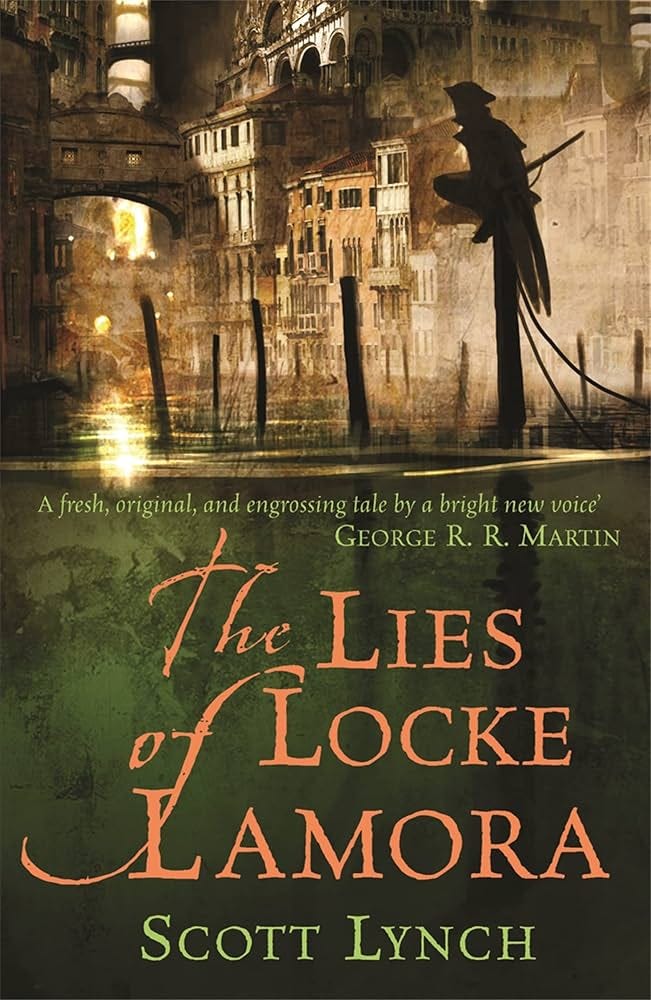
Scott Lynch’s The Lies of Locke Lamora is the cornerstone of this fusion. Lynch brings together the swagger of Ocean’s Eleven and the grit of classic sword-and-sorcery, creating a world where con artistry is as much an art form as swordplay or sorcery. His Gentlemen Bastards are not just thieves—they are performers, illusionists, and dreamers. They scheme against the wealthy elite of the city-state of Camorr, a place resembling Venice built atop the ruins of some lost magical empire. Yet even as Lynch piles on humor, clever disguises, and intricate double-crosses, he never lets the story lose its emotional depth. The charm of the caper gives way to genuine peril as Locke Lamora's carefully spun world begins to unravel. What makes Lynch’s work special is the way he balances the structure of a heist—the planning, execution, and fallout—with the sprawling unpredictability of epic fantasy.
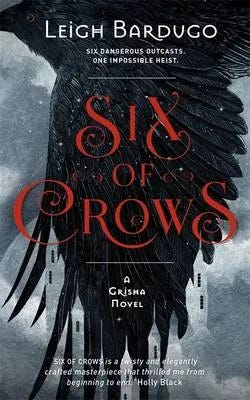
Leigh Bardugo’s Six of Crows took the same formula and reimagined it for a new generation of readers. Set in the Grishaverse, it turns the fantasy heist into a story of broken people trying to outsmart a cruel world. Kaz Brekker and his team of misfits are not noble heroes, but survivors, criminals, and outcasts whose skills are honed by necessity. The ice court heist at the heart of the book is not just a test of ingenuity, but a test of loyalty, trauma, and trust. Bardugo’s blend of dark magic, political intrigue, and emotional resonance gives the book a richness beyond its plot mechanics. The sequel, Crooked Kingdom, expands the emotional canvas, showing how the consequences of crime and magic alike ripple through lives and nations. Together, these novels define what the modern fantasy heist can be—sharp, character-driven, morally complex, and irresistibly fun.
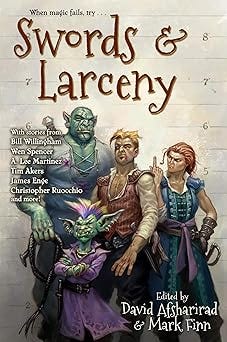
I’ve previously written here about the epic collection Swords & Larceny, but it is worthy of another mention as it so perfectly exemplifies the crossover potential of the heist-fantasy subgenre.
Swords & Larceny gathers a baker’s dozen of fantasy capers filled with thieves and warriors who move like criminal wraiths who live for the snap of a lockpick and the swing of a blade. Edited by David Afsharirad and Mark Finn with a lively roster of contributors, the anthology invites readers into vaults guarded by dragons, mines hidden behind stonework older than memory, and libraries whose shelves glitter with dangerous enchantments. Each story begins with a mark worth risking a life for and then sets the table for schemes built on timing, nerve, and wit.
Across the thirteen stories, the anthology celebrates the pleasures of craft. The careful case, the rehearsal of roles, the breath held before the switch, and the sprint when the alarms sing. When plans unravel, the writers favor clever pivots over brute force, and when blades come out, they feel like punctuation rather than a solution.
Swords & Larceny delivers what its title promises. Sharp steel, quick hands, and daring escapes stitched together with style. If you like your fantasy with grit, glitter, and a grin, this collection is a fine score.
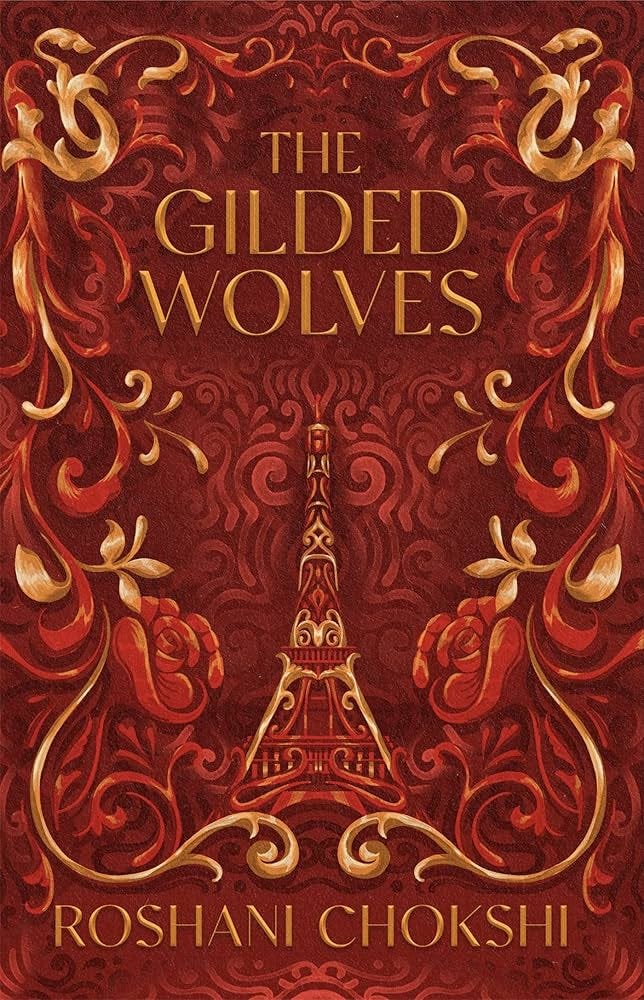
Roshani Chokshi’s The Gilded Wolves offers a more lyrical, myth-infused approach. Set in a magical alternate version of nineteenth-century Paris, it turns the heist into an act of reclamation and self-discovery. Séverin and his diverse crew must navigate a world where magic is bound up with colonial power and cultural appropriation. Chokshi’s writing gleams with lush imagery, but beneath the beauty lies a biting commentary on privilege and exclusion. Like Lynch and Bardugo, she constructs a found family at the story’s center, but her focus on mythology and art gives the novel a distinctly romantic and tragic flavor. In her hands, the caper becomes a metaphor for reclaiming identity from those who have stolen it.
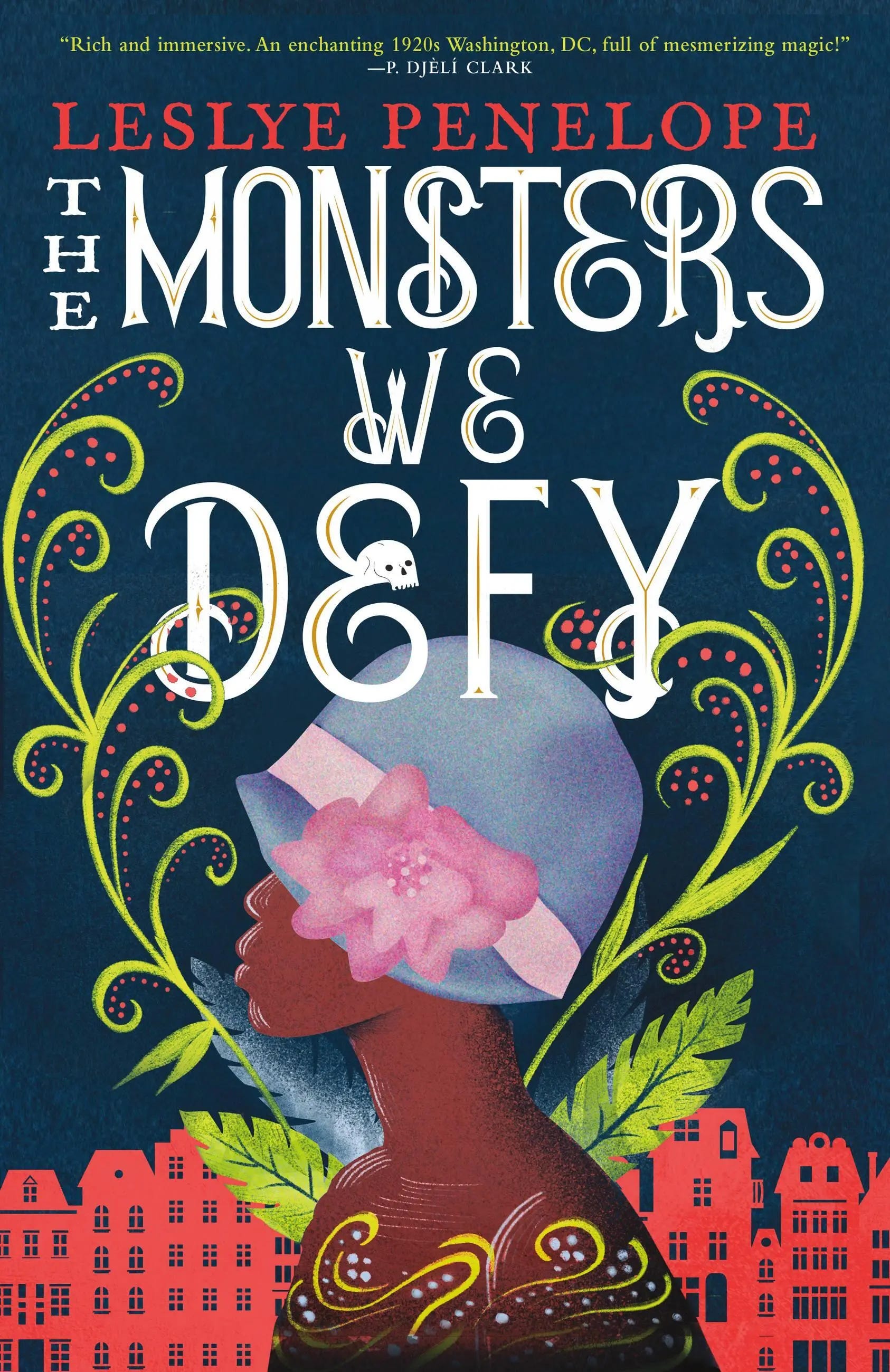
Leslye Penelope’s The Monsters We Defy moves the hybrid into new territory by grounding the fantasy heist in history. Set in 1920s Washington, D.C., the novel combines the glamour and desperation of the Jazz Age with the weight of racial injustice and spiritual debt. Clara, who can speak with spirits called Enigmas, must pull together a team of supernatural allies to steal a magical ring from a corrupt white elite. The book’s heist structure provides momentum, but its fantasy elements—rooted in African American folklore and the legacy of magic as survival—turn it into something deeper. Penelope demonstrates the fantasy-heist blend can be not only thrilling but also profoundly resonant. The caper becomes a way to reclaim power, autonomy, and community in a world that would deny them.
Jim Butcher’s Skin Game, part of the long-running Dresden Files series, offers a different twist. It takes the traditional urban fantasy setting—modern Chicago, where wizards and demons walk unnoticed among mortals—and drops it directly into a high-stakes heist. Harry Dresden, the perpetually overworked wizard-detective, is forced to collaborate with villains to break into the vault of Hades himself. The novel reads like a supernatural Mission: Impossible, complete with betrayals, booby traps, and uneasy alliances. What makes it stand out is how Butcher uses the heist structure to explore moral ambiguity and personal loyalty. Harry must not only outwit his enemies, but also his so-called allies, all while navigating the moral compromises of survival.
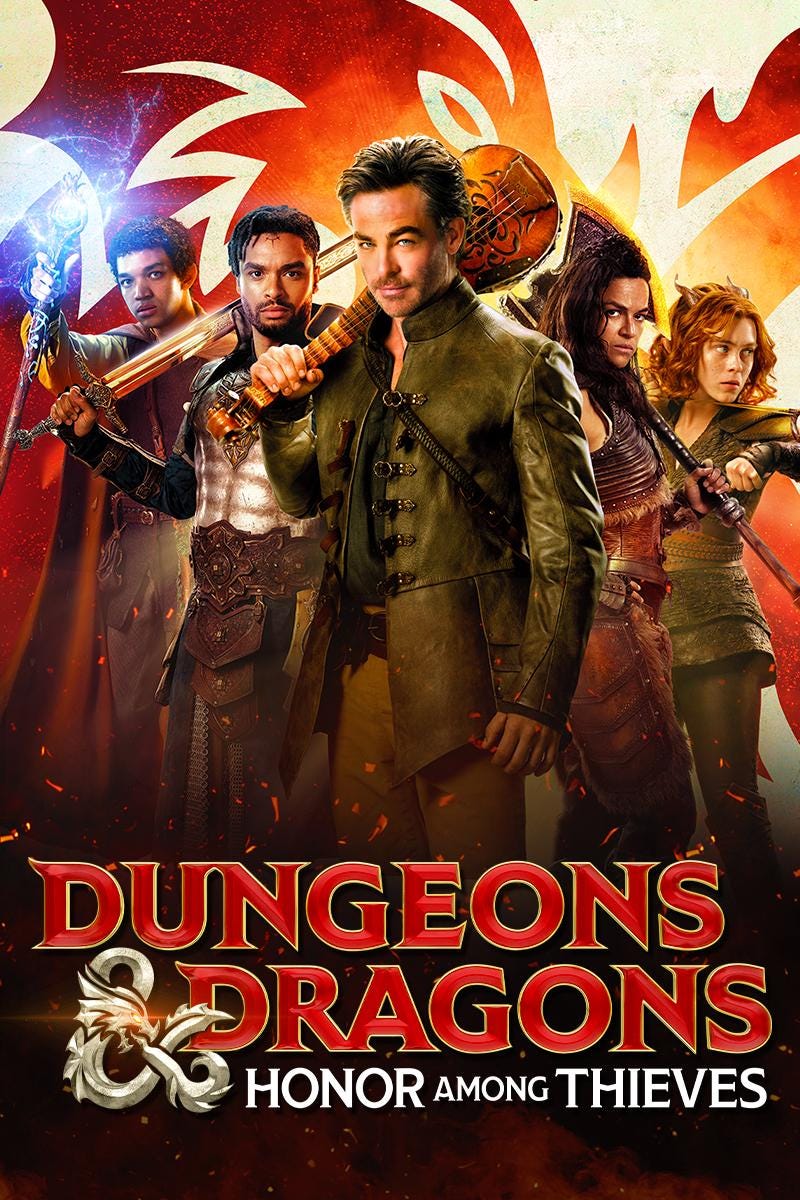
Even cinema has embraced this crossover. The 2023 film Dungeons & Dragons: Honor Among Thieves celebrates both the fantasy tradition and the caper structure. Its band of misfit heroes, led by a fast-talking bard and a world-weary barbarian, pull off a series of magical heists with the same combination of wit, banter, and emotional sincerity found in the novels above. The movie’s success lies in understanding the heist format naturally complements fantasy. Both rely on planning and improvisation, on rules broken by ingenuity or sheer luck. Both invite ensemble storytelling, where each character’s unique talent—lockpicking, spellcasting, or shapeshifting—plays a vital part in the plan.
What unites all these works is recognizing the heist is not merely about theft, but about freedom and cleverness in a world stacked against the daring. In fantasy, the struggle often takes on literal magic, but the spirit remains the same. The heroes (and antiheroes) of these stories steal not just gold or power, but agency. They challenge gods, tyrants, and fate itself. In doing so, they bring the anarchic joy of the caper into the mythic space of fantasy.
The mixing of the heist and fantasy genres continues to evolve. It thrives because both genres share a fascination with possibility. The heist story asks, Can it be done? while fantasy asks, What if it could? Together, they create stories celebrating cunning and courage, stories where plans go wrong and magic goes right, and where a handful of flawed, brilliant thieves can change the world—one impossible job at a time.
Paul Bishop is the author of fifteen novels, including the award winning Lie Catchers. He is also the editor of 52 Weeks 52 Sherlock Holmes Novels—a multi-author compendium of essays regarding fifty-two of the best Sherlockian pastiches plus much more—Available on Amazon or from Genius Books...
52 Weeks * 52 Sherlock Holmes Novels