TRIPLE FRONTIER
BROTHERS IN THE SHADOW OF THE BORDER

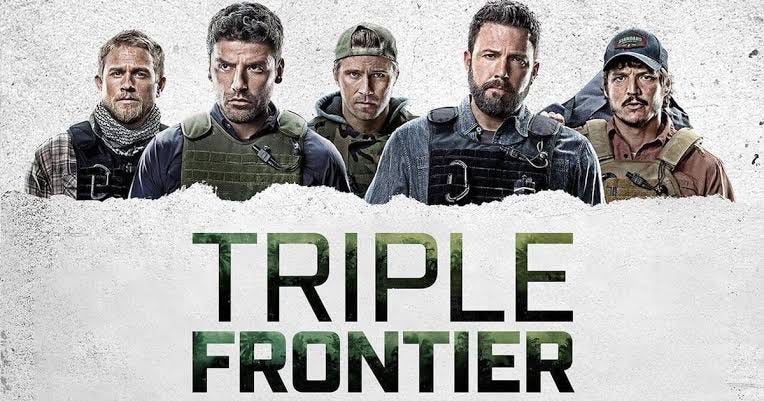
Director J. C. Chandor’s Triple Frontier takes a familiar setup and turns it into a slow-burn study of men who have given everything to institutions that no longer value them. The film begins with a team of former Delta Force operators who gather under the promise of one more mission, not for flag or country, but for the money they believe the world owes them after decades of sacrifice. This shift in motivation creates a story which moves away from patriotic triumph and toward an exploration of pressure, loyalty, and the corrosion that can creep into bonds forged in conflict.
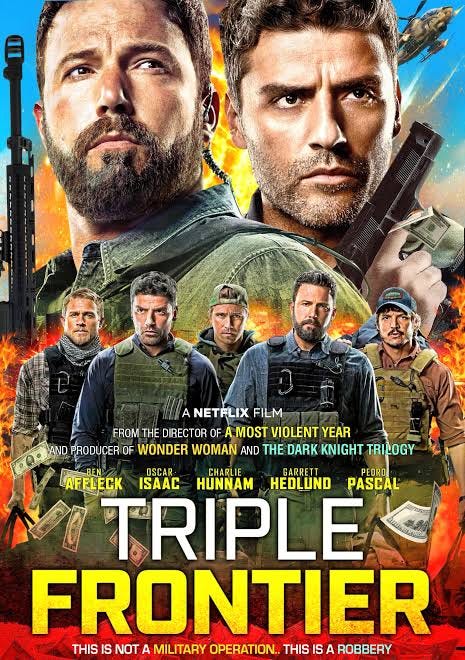
While the premise promises adventure, the film lingers on the weight these men carry. Each character arrives with a private ledger of disappointments. Tom Redfly Davis struggles with mounting bills and a future slipping from his grasp. Santiago Pope Garcia, the architect of the plan, still clings to a warrior mindset while no longer having a sanctioned outlet. Their teammates share this sense of displacement, and the mission becomes a way to reclaim control over lives they feel drifting toward irrelevance. Chandor's direction along with writer Mark Boal's script allow this mood settle over every decision the group makes, creating tension not through spectacle, but through the creeping sense these men are trying to buy back their own value.
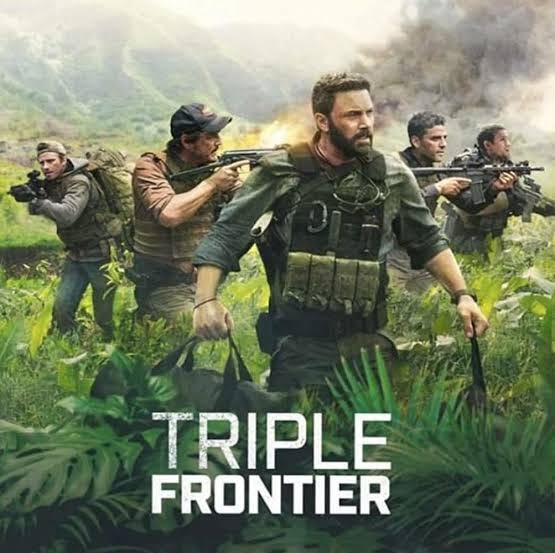
The heist itself plays out with precision at first. Their professionalism brings an almost mechanical rhythm to the operation. Yet once they discover just how much money lies inside the cartel leader’s home, the team crosses a threshold that tests their discipline. Bags split under the strain of cash, and so do their convictions. Small misjudgments grow into dangerous pivots, turning a clean exit into a chaotic escape. What begins as an orderly military exercise becomes a trek across mountains and jungles complicated by too much money and too many unresolved fears.
The film is especially sharp in the way it portrays greed as something as a whisper and not a roar. Redfly’s insistence on taking more cash is not staged as villainy, but as the desperate plea of a man who sees one final chance to right the wrongs of his civilian life. His obsession spreads through the group like creeping fog, softening their reflexes and pushing them toward choices they would have rejected during their service. The danger comes not from the cartel forces closing in, but from the slow erosion of the team’s once-reliable unity.
As they struggle to reach the coast with their bags of cash, the Andes become a crucible. The terrain punishes them, the bulk and weight of the money drags them down, and the balance between survival and gain begins to tilt. Chandor uses this leg of the journey to examine the cost of carrying too much, both physically and morally. The men must reckon with the collapse of their plan and with the roles they played in the unraveling. Tragedy sharpens the air around them, forcing a reckoning no battlefield ever demanded.
The film’s final movement turns toward sacrifice and uneasy resolution. The team must decide what kind of men they want to be once the mission is stripped of profit. Their path home is marked by painful compromises, yet their loyalty begins to mend in fragile ways. They may not find redemption, but they find a way to live with their choices, however bruised those choices may be.
Triple Frontier stands out because it treats the action genre as a stage for character study rather than for explosive triumphs. Its interest lies in how veterans navigate a world constantly moving on without them, and how their skills, once praised, now feel like burdens. The film steps into the lives of men who spent their best years serving causes they believed were noble, only to discover the systems they defended offer little guidance or gratitude once they return home. Their heist becomes more than a grab for wealth. It becomes a defiant act by men trying to reclaim agency in a society no longer knowing what to do with them.
The result is a tense, atmospheric journey driven by fatigue, pride, and the fading embers of comradeship. Triple Frontier builds its power not through spectacle, but through the steady pressure placed on men who have already been pushed to their limits. It delivers an adventure story shaped by reckoning, where the greatest escape is not from gunfire or criminal pursuit, but from the forces inside each man which threaten to pull him over the edge.
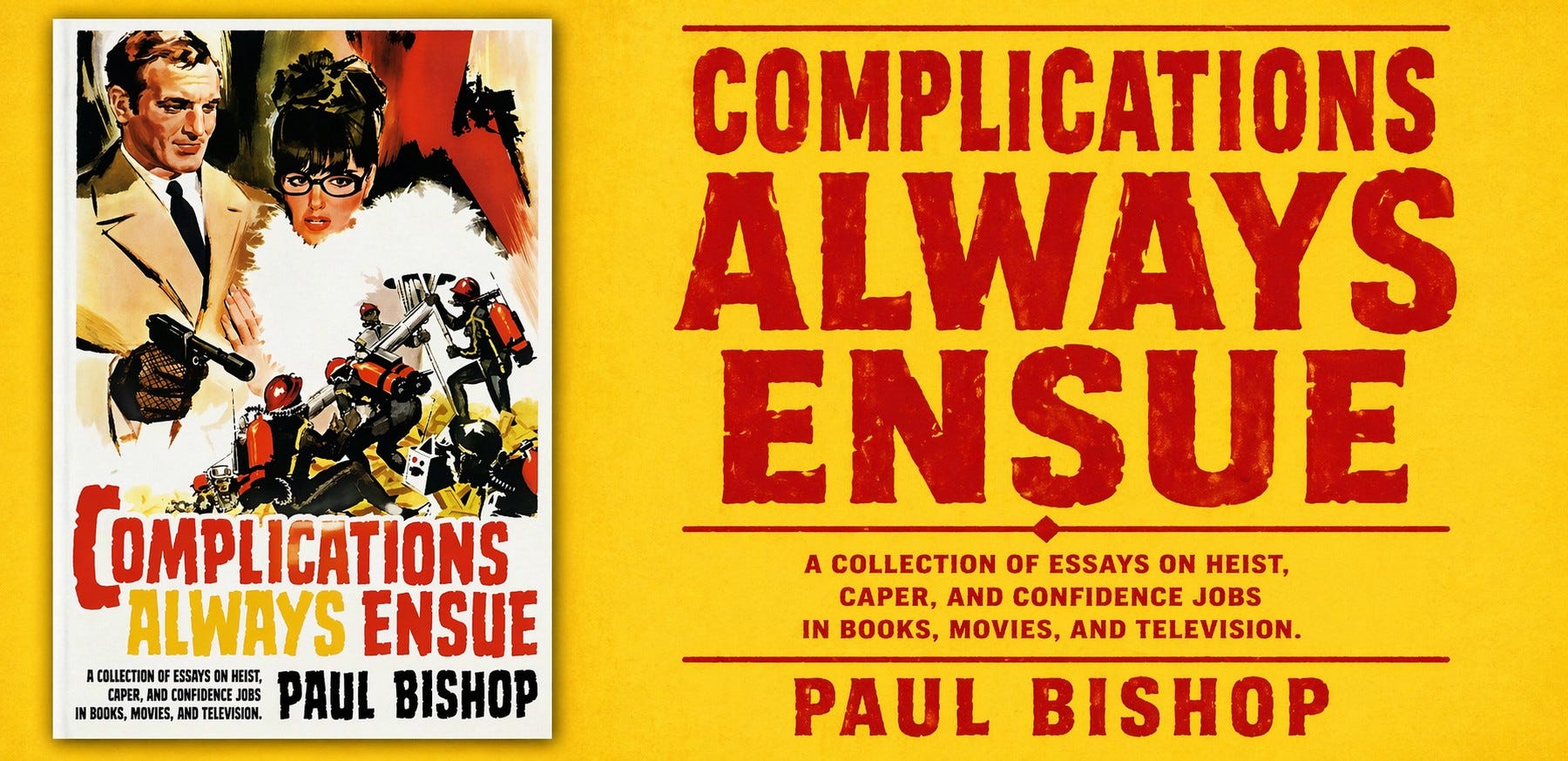
Paul Bishop is the author of fifteen novels, including the award winning Lie Catchers. He is the editor of the popular 52 Weeks * 52 Sherlock Holmes Novels and the author of the forthcoming Complications Always Ensue, a collection of his essays featuring heists, capers, and confidence jobs in books, movies, and television—Available June 18th, 2026 via Amazon or from Genius Books...